shape-one

Reinstate a Suspended Google Business Profile

February 27, 2026 gobuzleAdmin No Comments

Reinstate a Suspended Google Business Profile

How to Reinstate a Suspended Google Business Profile

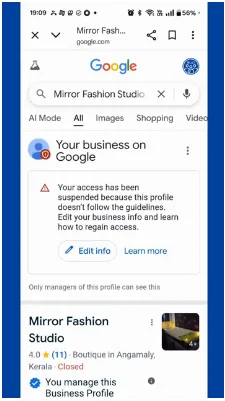
Having your Google Business Profile (GBP) suspended can disrupt your business’s local SEO services and impact your online visibility. For businesses relying on SEO marketing and digital marketing strategies, a suspended profile can affect rankings, customer engagement, and sales. Fortunately, the reinstatement process is straightforward if you follow the necessary steps and provide the required documentation.

This guide will walk you through the process of reinstating a suspended Google Business Profile, helping you get your profile back online and restore your local SEO in digital marketing efforts.

Step 1: Fix the Issues That Led to Suspension

Once you’ve identified the reason for the suspension, the next step is to fix the issues before submitting an appeal. Here’s how to correct the common problems that can cause suspension:

1. Ensure NAP Consistency

  • Make sure that your business name, address, and phone number are the same across your Google Business Profile, website, and other online directories.

Double-check that the information is consistent with what’s listed on your website and any third-party listings.

2. Review Google’s Guidelines

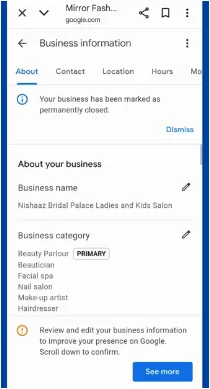
  • Ensure that your business complies with Google’s Business Profile guidelines. Make sure the business category is correct, and that you’re not violating any Google policies related to prohibited businesses.

3. Merge Duplicate Listings

  • If there are duplicate profiles, consolidate them into one Google Business Profile to avoid confusion. Make sure that there is only one active listing for each business location.

4. Correct Your Address

  • If you’re using a virtual address or PO box, update your profile to reflect a physical address. Google needs to verify that you have a legitimate, physical business location.

5. Remove Spammy Content

  • If your business profile is flagged for suspicious activity, delete any misleading reviews or content that violates Google’s guidelines. Google will not reinstate a profile until the issue is resolved.
Step 2: Gather Required Documentation

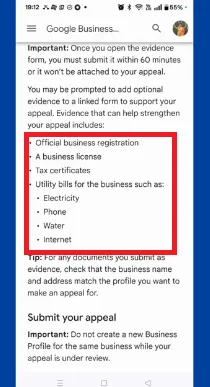
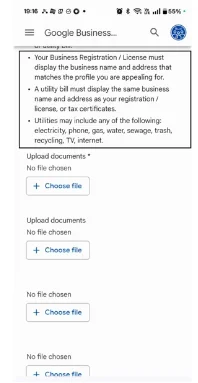
To prove that your business is legitimate and complies with Google’s guidelines, you will need to provide supporting documents when submitting the reinstatement request. Here’s what to prepare:

Required Documents:

  • Business License: A copy of your official business license that shows your business is legally registered.
  • Utility Bills: A recent utility bill (e.g., electricity, water, internet) showing the business name and physical address.
  • Lease Agreement: If applicable, a copy of the lease agreement for your physical business location.
  • Storefront Photos: Photos that show your storefront signage with your business name and phone number clearly visible.

Website Proof: A screenshot or link to your business website showing your business name, address, and phone number clearly.

Why This Documentation Is Important:

These documents validate that your business exists, operates from a legitimate physical location, and complies with Google’s local SEO in digital marketing guidelines. Providing accurate documentation helps speed up the reinstatement process.

Photo of storefront showing business name and phone number clearly visible on the signage.

Step 3: Submit the Reinstatement Request

Once you have addressed the issues and gathered the necessary documents, it’s time to submit your reinstatement request. Here’s how to do it:

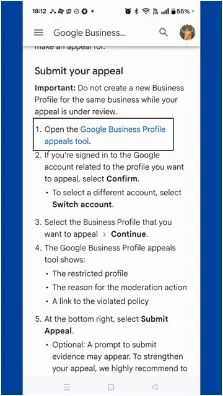
1. Go to the Reinstatement Form:

Navigate to the Google Business Profile reinstatement form.

2. Sign In:

Sign in with the Google account associated with your suspended profile.

3. Choose Your Business:

Select the suspended business profile you wish to reinstate.

4. Provide Explanation:

Provide a detailed explanation of why your business complies with Google’s guidelines and what corrective actions you’ve taken.

5. Upload Documents:

Attach the required documents like your business license, utility bills, lease agreement, storefront photos, and website proof.

Step 4: Wait for Google’s Review
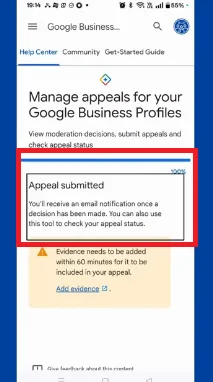
After submitting your reinstatement request, Google will review your appeal. This process typically takes 3-5 business days but can take up to 1-2 months in some cases, depending on the complexity of the situation.

Why the Delay?

Google may take longer to review your profile for several reasons:

  • Volume of Suspended Profiles: Google receives many reinstatement requests, which can delay the process.


  • Additional Verification Needed: Google may need to verify the details provided in your appeal or request further clarification.
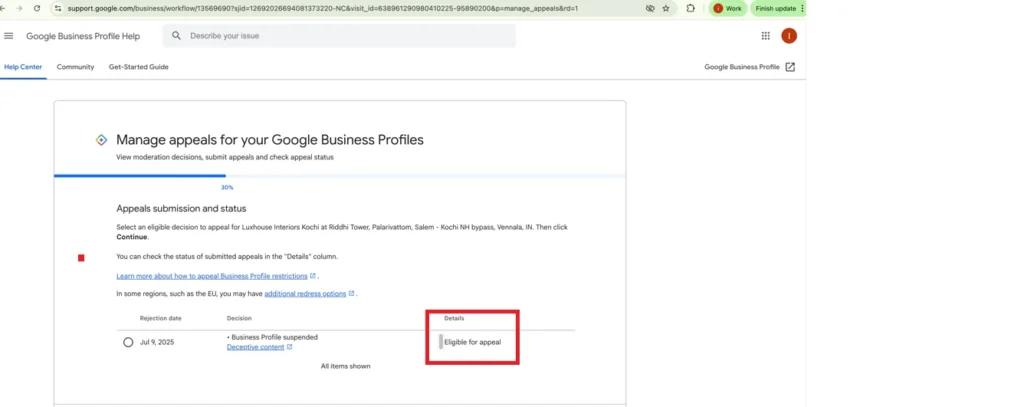
Step 4 : How to Check Appeal Status
  1. Sign in to the Google account that manages your business profile.


  2. Visit the Google Business Profile appeals tool and open the profile you appealed. (support.google.com)

On the right side of the screen, you’ll see a status such as Submitted, Approved, Not Approved, Eligible for appeal, or Can’t be appealed.

  4. Wait for Google to email you the final decision; don’t submit another appeal for the same issue until that decision comes through. (support.google.com)

Step 6: If Denied, Request a Re-Review

If your reinstatement request is denied, you can submit another appeal. Here’s what you need to do:

  1. Review Feedback:
    Read the feedback provided by Google to understand why your reinstatement was denied.
  2. Make Corrections:
    Address the issues identified in the denial notice. Ensure your business information is accurate and consistent across all platforms, including your website.

Submit the Appeal Again:
Once you’ve corrected the issues, resubmit your appeal with any additional documentation or clarifications.

Step 7: Seek Help from Google Product Experts

If you’re still facing difficulties, Google Product Experts can provide guidance. These experts can offer advice on how to proceed or escalate your case for further review.

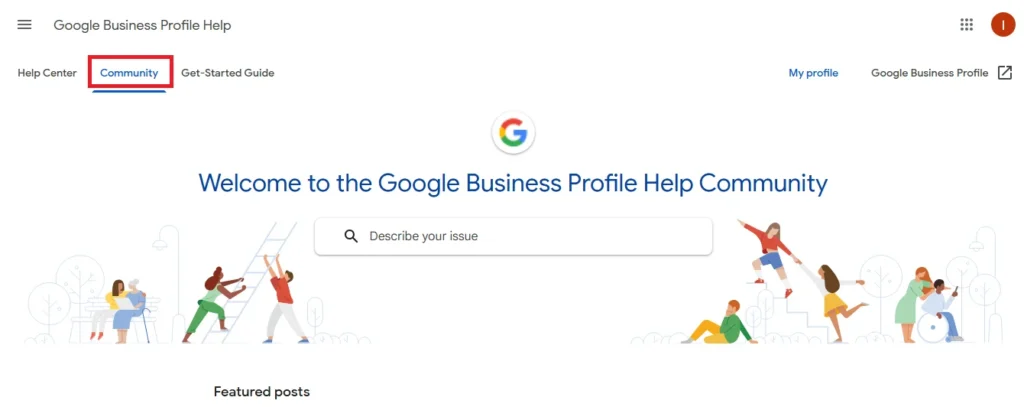
  1. Visit the Google Business Profile Help Community.
  2. Post your issue and engage with experts for advice.
Final Tips to Prevent Future Suspensions

Once your profile is reinstated, keep these best practices in mind to prevent future suspensions:

  • Consistency Across Platforms: Ensure that your business name, address, and phone number are consistent across your website, Google Business Profile, and other online directories.
  • Adhere to Google’s Guidelines: Regularly review Google’s guidelines to ensure that your business remains compliant.
  • Keep Your Profile Updated: Regularly update your Google Business Profile with accurate business information and engage with customers through posts and reviews.

Reinstating your Google Business Profile is a crucial step in restoring your business’s local SEO visibility and maintaining a healthy SEO marketing strategy. By following the steps outlined above and ensuring your business complies with Google’s guidelines, you can reinstate your profile and continue to benefit from local SEO efforts.


Introduction to Google Business Profile

Before harnessing the full potential of Google Business Profile (GBP) (previously Google My Business) in your local marketing strategy, it’s important to understand its core functions and why it’s an indispensable tool for businesses today.

With a variety of features designed to save time and enhance business performance, it won’t take long to see why GBP is vital for any local business.

In this section, we will cover the following topics:

  • What is Google Business Profile?
  • Key Benefits of Google Business Profile

By the end of this guide, you’ll have a clear understanding of how GBP works and how leveraging its powerful tools can positively impact your business.

As you read through this guide, consider how each feature can be applied to your business. This will help you visualize how Google Business Profile can support your marketing efforts and make your business more visible and accessible to local customers.

Understanding Google Business Profile: A Key to Local Visibility

In today’s digital-first landscape, customers often turn to Google to find local products or services even without typing “near me.” Google uses location signals and its vast directory of verified businesses to deliver the most relevant results.

A Google Business Profile (GBP) is your official presence on Google Search and Maps. It helps your business appear when people search for services in your area, giving you the opportunity to engage potential customers with essential details like your address, phone number, reviews, services, and operating hours.

Whether you’re running a storefront, a clinic, a café, or a service-based business that operates in a specific region, having a well-optimized GBP is vital. It not only boosts visibility but also builds credibility with your local audience. The better your profile, the higher your chances of being discovered and chosen by nearby customers.

What is Google Business Profile and How Does It Help?

Introduced in 2014, Google Business Profile (GBP) is a free tool designed to help local businesses manage their online presence across Google Search and Maps. It allows business owners to showcase essential information like location, services, photos, hours, and customer reviews—all in one convenient platform.

By creating and optimizing a Google Business Profile, businesses can improve their visibility to nearby customers, enhance credibility, and make it easier for people to contact or visit. Whether you’re a retail shop, service provider, or restaurant, GBP gives you the tools to connect with your local audience and attract new customers more efficiently.

Understanding Google Business Profile: What It Is and Why It Matters

Google Business Profile (GBP)—previously known as Google My Business—is a free tool that allows you to manage how your business appears across Google platforms like Search and Maps. It acts as a verified listing in Google’s business directory that you can claim, customize, and control.

With GBP, you can showcase essential business details such as your name, address, hours of operation, contact information, website, photos, and customer reviews. If your business operates from a physical location or serves customers within a defined service area, your GBP listing helps ensure you’re discoverable when potential customers search for related products or services nearby

Why You Should Set Up a Google Business Profile

Creating a GBP listing is completely free, making it one of the most cost-effective ways to boost your online visibility. A well-optimized profile not only helps your business appear in more local searches but also builds trust and credibility, ultimately increasing your chances of turning searchers into paying customers. Whether you’re a new business or an established brand, having a strong presence on Google can directly impact your sales, bookings, and foot traffic.

Citations & Listings

Accurate Name, Address, and Phone number (NAP) listings across directories boost your local search visibility. Keep your business details consistent and updated to improve trust and local SEO performance.

What Are Local Citations?

Local citations are online mentions of your business name, address, and phone number (NAP) across directories, websites, apps, and social platforms. They help validate your business information for search engines and improve your local SEO visibility.

Whether manually managed or updated through a citation service, consistent citations build trust with both users and Google. If your business lacks structured listings, you’re likely missing out on traffic from local searchers who rely on accurate, up-to-date data to choose a service provider.

The core elements of a local citation typically include your business name, address, and phone number—commonly referred to as NAP. In many cases, a link to your website can also be added, which contributes positively to your overall SEO strategy.

Publishing your NAP across online directories, local business platforms, and third-party websites helps potential customers discover your business more easily. Additionally, consistent citations across trusted sources enhance your credibility in the eyes of search engines like Google, signaling legitimacy and improving your local search rankings.

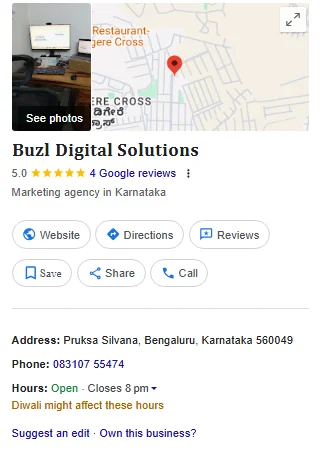
Here’s a common example of what a structured local citation looks like.

What Are the Different Types of Local Citations?

There are two main types of local citations: structured citations and unstructured citations.

What Are Structured Citations?

Structured citations are the most common and widely used form of local citations. They are business listings found on well-known business directories and third-party websites that are trusted by Google. These platforms are vast databases of business information, making them essential for improving your local SEO.

Examples of structured citations include:

  • Google Business Profile

  • Yelp

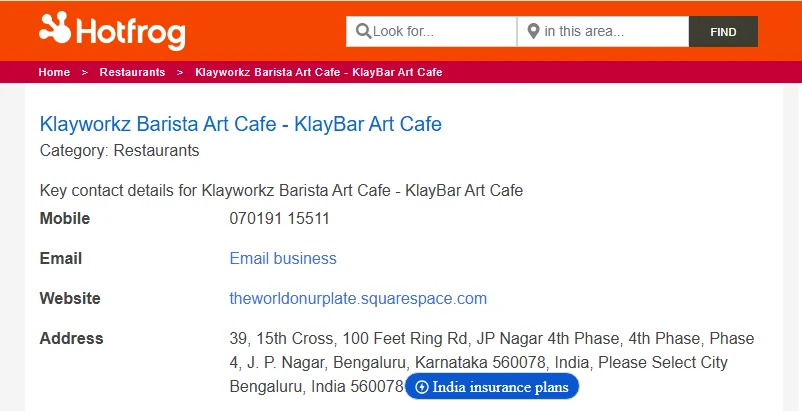
  • HotFrog

  • TripAdvisor

For structured citations, it’s crucial to be listed in directories that are most relevant to your industry. Additionally, on more general directories, choosing the correct category for your business is vital. This ensures that Google understands your business offerings and helps potential customers find you easily.

Structured citations should always include accurate, up-to-date business information. Keeping these details current is where effective listing management comes into play.

Given the large number of directories available, many businesses turn to tools or citation building services to help upload and manage their information, ensuring consistency across all platforms. Having your business listed on multiple sites is valuable, but maintaining accuracy and consistency across these listings is essential to maximize the SEO benefits.

What Are Unstructured Citations?

Unstructured citations are references to your business’s key information (such as your name, address, and phone number) that appear in content but are not specifically organized in a directory-like format. These mentions are typically found in online news articles, blog posts, or other forms of content where business details are embedded within the text, rather than being grouped together in a structured listing.

Examples of unstructured citations include:

  • Mentions in local publications or news articles

  • Social media posts referencing your business

  • Blog posts, listicles, or reviews featuring your business

  • Other press materials or mentions

In unstructured citations, the business details (name, address, phone number, website) are not always grouped together. It can simply be a mention of your business somewhere online, which is still valuable for local SEO.

Although unstructured citations don’t provide the same immediate structure as structured citations, they play an important role in boosting your brand visibility and local SEO authority. With the rise of AI tools and content analysis, unstructured citations are becoming increasingly valuable as they are picked up and used as content snippets across the web.

The effectiveness of individual unstructured citations is influenced by three main factors:

  • Location: Citations from local sources are more valuable for local SEO.

  • Industry Relevance: Mentions on industry-specific sites or related content hold more weight.

  • Website Authority: Mentions on high-authority websites (like major news outlets or trusted platforms) have a stronger impact.
Understanding Citation Value in Local SEO

When it comes to local SEO in digital marketing, not all citations are created equal. The quality and context of your business mentions across the web directly impact your search engine optimisation results. At our digital marketing, we use advanced SEO optimization tools and SEO marketing strategies to ensure your business gets high-value citations that truly matter.

1. Location Relevance

Citations from websites connected to your local area carry more weight. For instance, a mention of your business on a local news portal or community website strengthens your local SEO services performance. These location-based mentions help your business gain visibility among nearby residents while improving your website SEO and organic ranking.

2. Industry Relevance

The value of a citation increases when it appears on a website that’s relevant to your industry. For example, if you run a fitness studio and a nearby wellness blog references your brand, it signals authority within your niche. Our SEO digital marketing team identifies and targets the most relevant industry platforms for your brand to ensure maximum exposure and engagement.

3. Website Authority

Not all websites pass equal SEO value. High-authority sites—those with strong domain authority—can significantly enhance your online credibility. Our SEO digital solutions include identifying websites with higher trust scores and building quality citations that align with your brand’s expertise. With the right mix of best SEO tools and digital marketing services, we help your website earn the trust of both Google and your audience.

Drive Growth with the Right SEO Strategy

Building structured and unstructured citations strategically is key to ranking higher in local search results. As a local digital marketing agency, we combine AI-powered digital marketing, content marketing SEO, and social media optimization to ensure your brand is visible, reputable, and discoverable online.

The Importance of Local Citations in Boosting Your Business’s Local SEO Rankings

In today’s digital age, local citations are a key factor in boosting your business’s local SEO rankings. Local citations are mentions of your business across various online directories, social media platforms, and websites. These mentions can significantly impact your online visibility, making it easier for potential customers to find you through search engines and maps. Understanding the core components of high-quality local citations is crucial for businesses looking to enhance their SEO strategy.

1. NAP Information (Name, Address, Phone Number)

The most important element of any local citation is your NAPName, Address, and Phone Number. Having accurate and consistent NAP information across all platforms ensures that Google and potential customers can easily find and trust your business. Discrepancies in NAP data can lead to confusion, harming your local SEO efforts and lowering your credibility in search engine rankings.

2. Company Website

A citation without a link to your company website is incomplete. Including your website URL in citations strengthens your SEO signals, drives traffic directly to your site, and improves website SEO. This also helps potential customers access more detailed information about your services. Ensuring the link points to a locally optimized page enhances the relevancy of your citation for local searches.

3. Opening Hours

Displaying accurate business hours in your citations is vital. It tells customers when they can visit or contact you. Consistent and up-to-date operating hours not only help with customer engagement but also signal to Google that your business is active and reliable. Accurate business hours contribute to improved local SEO rankings and make your business more approachable to nearby customers.

4. Business Description and Category

Including a well-crafted business description and selecting the correct business category is essential for aligning your citation with relevant local searches. The description should highlight your services and keywords related to your industry, such as digital marketing services or SEO optimization tools. This helps search engines match your business with specific search queries and improves your chances of ranking for localized terms.

5. Driving Directions

Providing driving directions or embedding a Google Map link in your citation improves the customer experience. Directions make it easier for local customers to find your business, especially if they are unfamiliar with the area. Clear directions also enhance your business’s credibility and show that you are easily accessible to customers within your local area.

6. Images and Media

Images such as your business logo, photos of your storefront, or other relevant media can significantly boost the visibility and appeal of your citation. Visual content helps potential customers connect with your brand, fostering trust and engagement. The more engaging your citation, the more likely it is to stand out, which can improve your local SEO rankings.

7. Social Media Profiles

Including links to your social media profiles within your citations helps Google verify your business’s legitimacy and activity across platforms. Social media presence signals to search engines that your business is active and engaged with its audience. It also provides additional avenues for potential customers to interact with your brand, further strengthening your local SEO efforts.

8. Email Address

Your email address is another crucial element in your citations. It allows customers to contact you directly for inquiries, appointments, or more information. Having an easily accessible email address in your citation ensures better communication and helps build trust with your audience, which plays a role in both SEO rankings and customer satisfaction.


Up next:

Local SEO

Continue learning

Leave a Reply

Your email address will not be published. Required fields are marked *

cta-shape-1
Unlock the power of AI for your business

Achieve Hassle Free &
Digital Presence

Buzl logo transparent